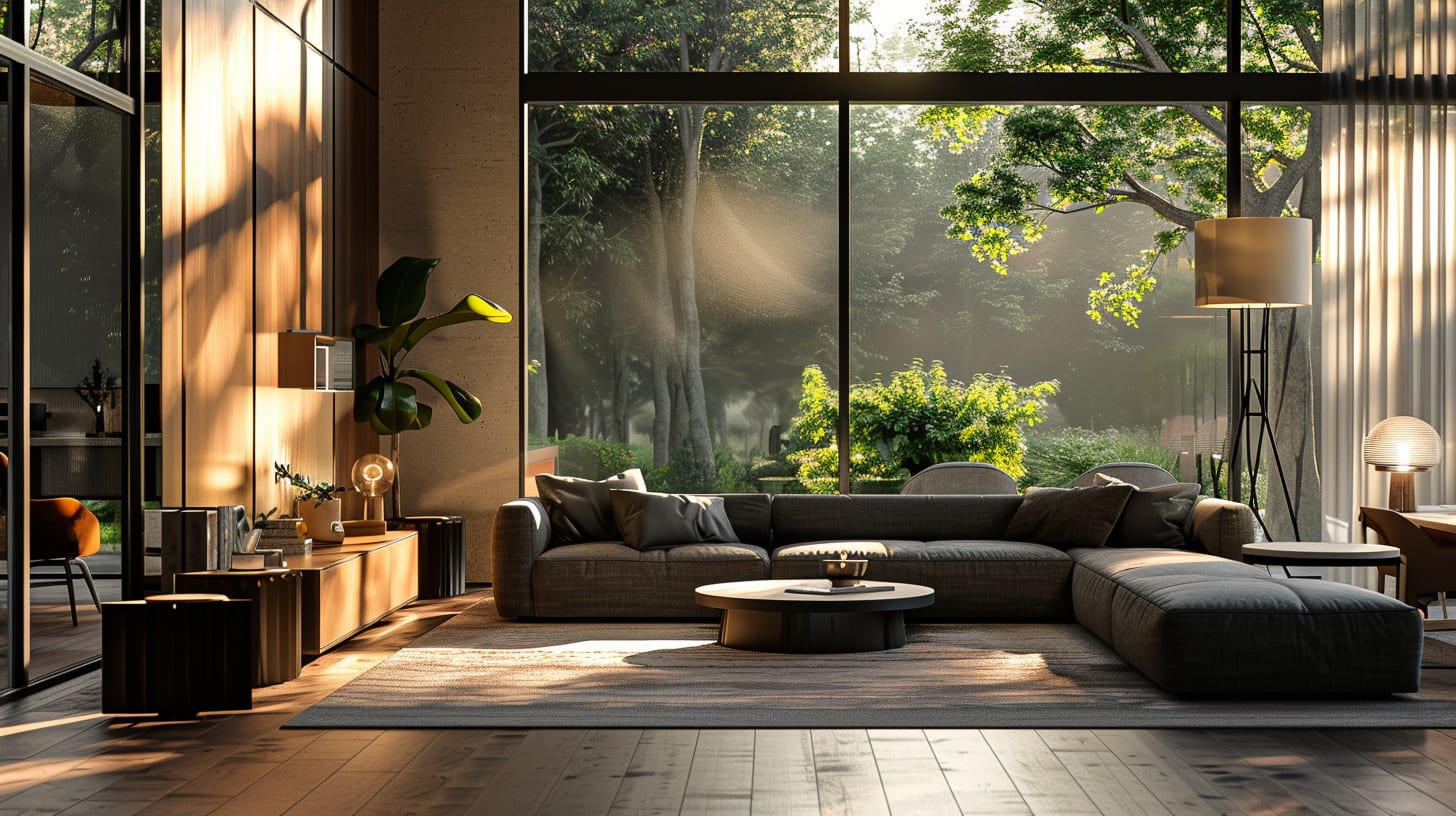
Designing for Tomorrow, The Future of Interiors in a Changing World
Interior design is no longer just about aesthetics, it's about adaptability, sustainability, and how we live. As the world continues to shift rapidly due to climate change, digital innovation, and changing social dynamics, the role of interior designers has become more critical than ever. Spaces are now expected to be smarter, more sustainable, and deeply personalized. This evolution is giving rise to a new design language, one that blends technology with timeless comfort and values emotional well-being as much as visual appeal.
In this article, we explore the key interior design trends and philosophies shaping the future, and what it means for designers, homeowners, and developers looking to create spaces that will thrive in a changing world.

Sustainability Is No Longer Optional
One of the most urgent priorities in interior design is environmental responsibility. Designers are now expected to reduce their carbon footprint by sourcing sustainable materials, working with recycled or upcycled products, and focusing on longevity rather than trends.
From bamboo flooring and reclaimed wood furniture to low-VOC paints and energy-efficient lighting, the demand for eco-conscious design solutions is growing, and clients are increasingly aware of their impact. Biophilic design, which integrates natural elements like plants, daylight, water features, and natural textures, is also becoming a core principle in sustainable interiors.

Smart Homes, Smarter Design
Technology continues to influence interior design in powerful ways. Smart homes are no longer considered a luxury, they are becoming a baseline expectation. Voice-activated lighting, app-controlled climate systems, automated blinds, and integrated security systems are now central features of many new projects.
But the future isn't just about gadgets, it's about seamless integration. Designers are now working hand-in-hand with tech specialists to ensure that smart features blend effortlessly into the overall aesthetic without disrupting comfort or design integrity.

The Rise of Flexible & Multi-Functional Spaces
With urban living spaces shrinking and lifestyles becoming more fluid, the need for flexibility in design is growing. Whether it's a living room that converts into a guest bedroom or a kitchen island that functions as a work desk, multi-purpose spaces are the future.
Designers are incorporating foldable furniture, sliding walls, hidden storage, and adaptable lighting to help residents get more out of every square meter. In commercial interiors, we're seeing more modular design elements that can be reconfigured as needs evolve.

Cultural Awareness and Local Influence
Globalization has made it easier to access design inspiration from around the world, but at the same time, there's a rising appreciation for local craftsmanship, heritage materials, and culturally meaningful design.
Designers are merging global sophistication with local soul, celebrating cultural identity through handcrafted pieces, regionally sourced materials, and design narratives that reflect a sense of place. This balance between modern and rooted design adds authenticity and emotional value to spaces.

The Designer's Role Is Expanding
Today's interior designers are no longer just decorators, they are strategists, psychologists, environmentalists, and technologists all at once. Clients expect designers to create immersive, functional, and emotionally supportive environments that also reflect the future of how we live.
As a result, collaboration is becoming central to design success. Architects, sustainability consultants, lighting designers, AV engineers, and wellness experts are increasingly being integrated into the design process from the start.
The future of interior design is exciting, complex, and deeply human. It demands a balance between innovation and intuition, where technology, sustainability, and emotional well-being come together to form spaces that don't just look beautiful but feel meaningful.
Whether you're designing a home, a workplace, or a hospitality concept, the question is no longer just "what's trending?", it's "what's lasting, and how does it improve lives?"
At Finger Touch Interior Design, we believe tomorrow's spaces must speak to the soul, support modern living, and reflect our responsibility to the planet. We don't just design for today, we design for what comes next.
Need a future-ready interior that blends technology, comfort, and purpose?
Contact us now for a consultation and let's build your vision, together.
+971 58 900 0893 | www.ftid.ae