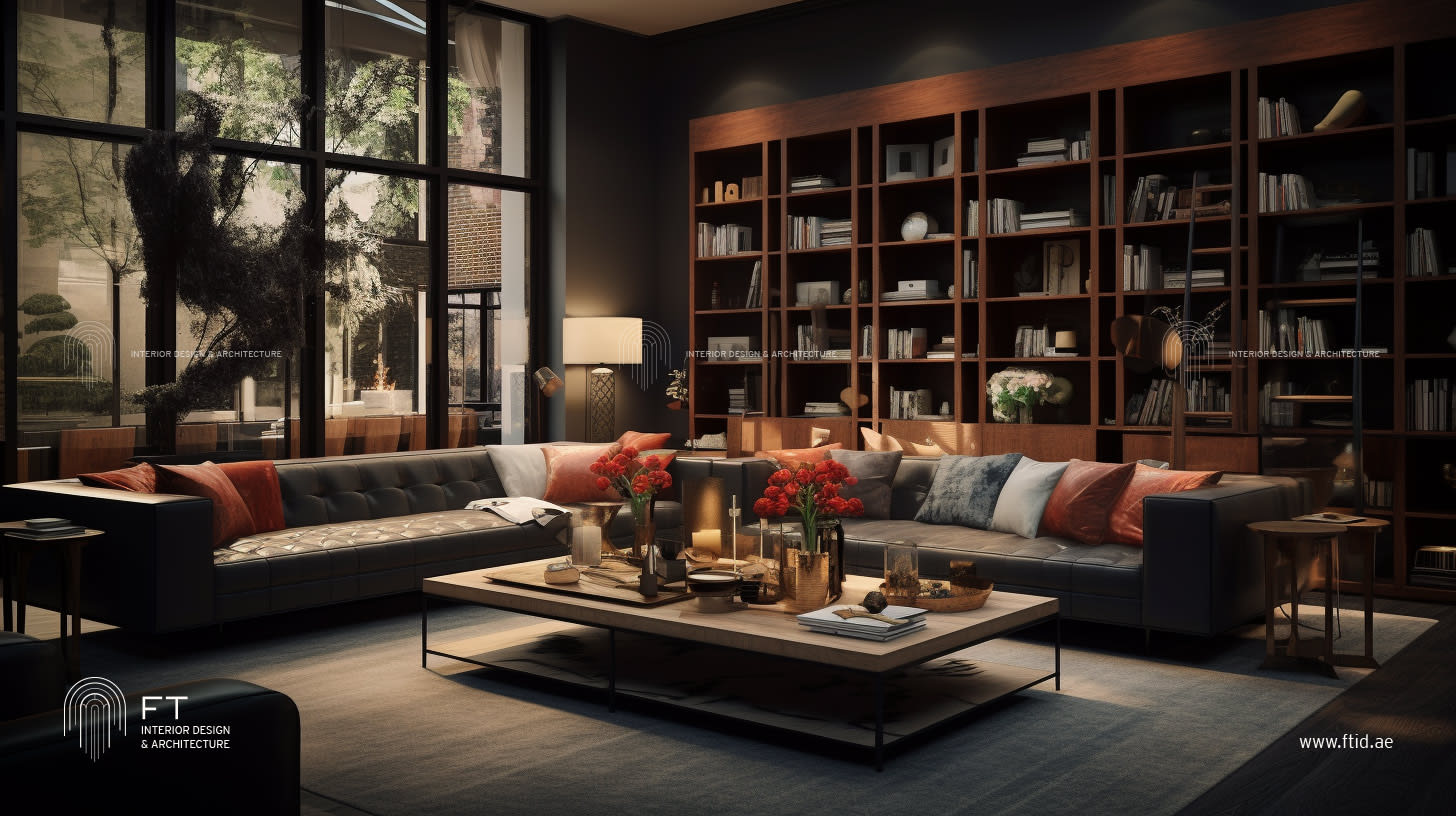
Designing Identity: How Interiors Reflect Culture, Brand & Belief
A space is never just a space. It's a mirror, a silent, visual language that reflects who we are, where we come from, and what we believe. Whether it's a cozy living room layered with family heirlooms, a minimalist office radiating innovation, or a boutique that instantly tells a brand's story, interiors are powerful expressions of identity.
In today's hyper-visual, meaning-driven world, interior design is no longer about trends or surface beauty. It's about creating spaces that resonate on a deeper level, spaces that speak. This is the essence of identity-driven design: the art of aligning form, function, and feeling with personal or collective purpose.
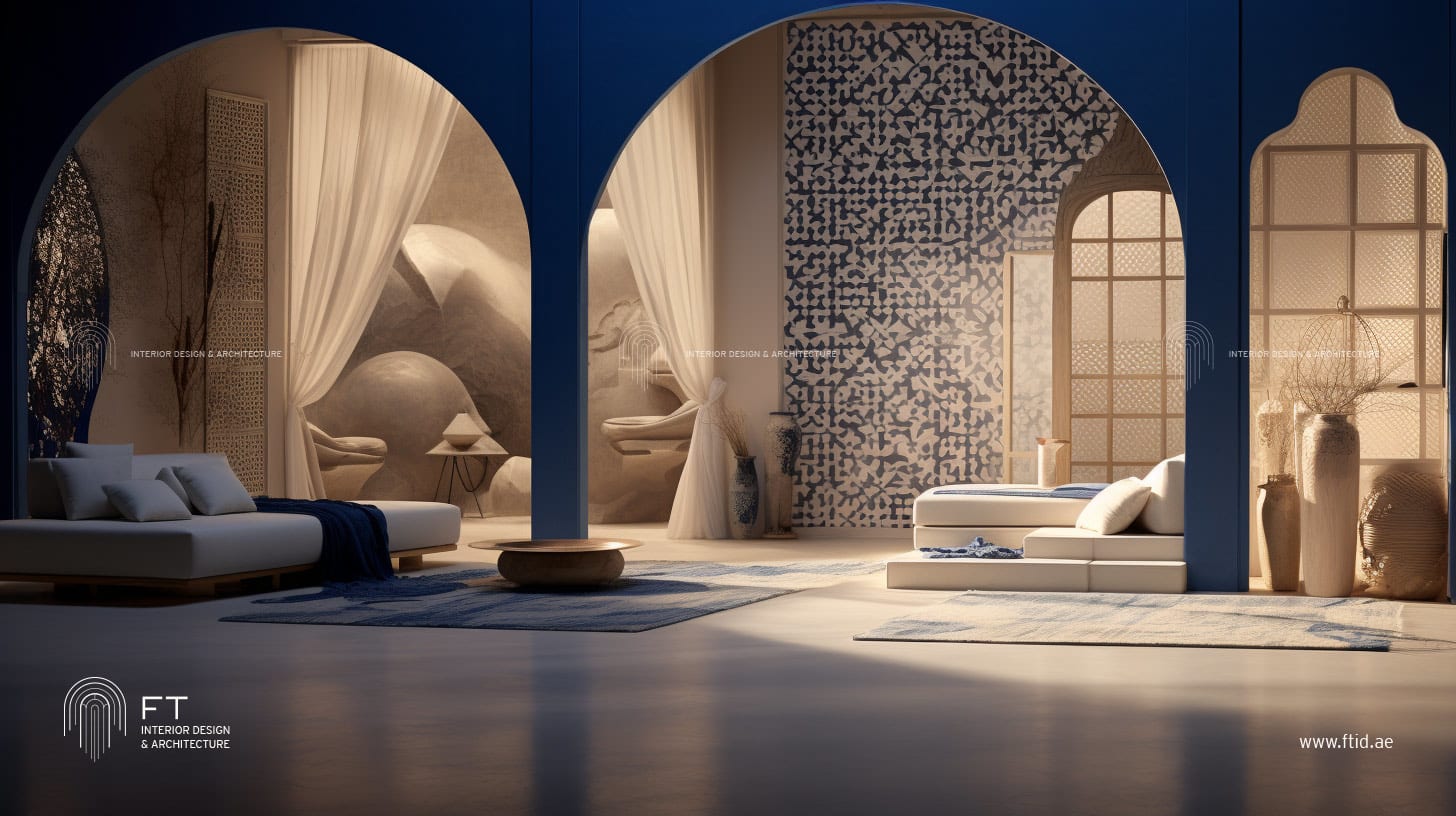
Culture in Design: Spaces That Tell Heritage Stories
Culture is a rich well of inspiration for interior designers. From Arabic mashrabiya screens and Andalusian tiles to Japanese minimalism or Moroccan archways, cultural influence informs everything from spatial flow to material choices.
In identity-driven interiors, culture isn't reduced to a theme. It's embedded authentically, in craftsmanship, symbolism, and spatial values. Whether it's a majlis that reflects Emirati hospitality or a villa infused with Italian elegance, the goal is to honor roots, not replicate stereotypes.
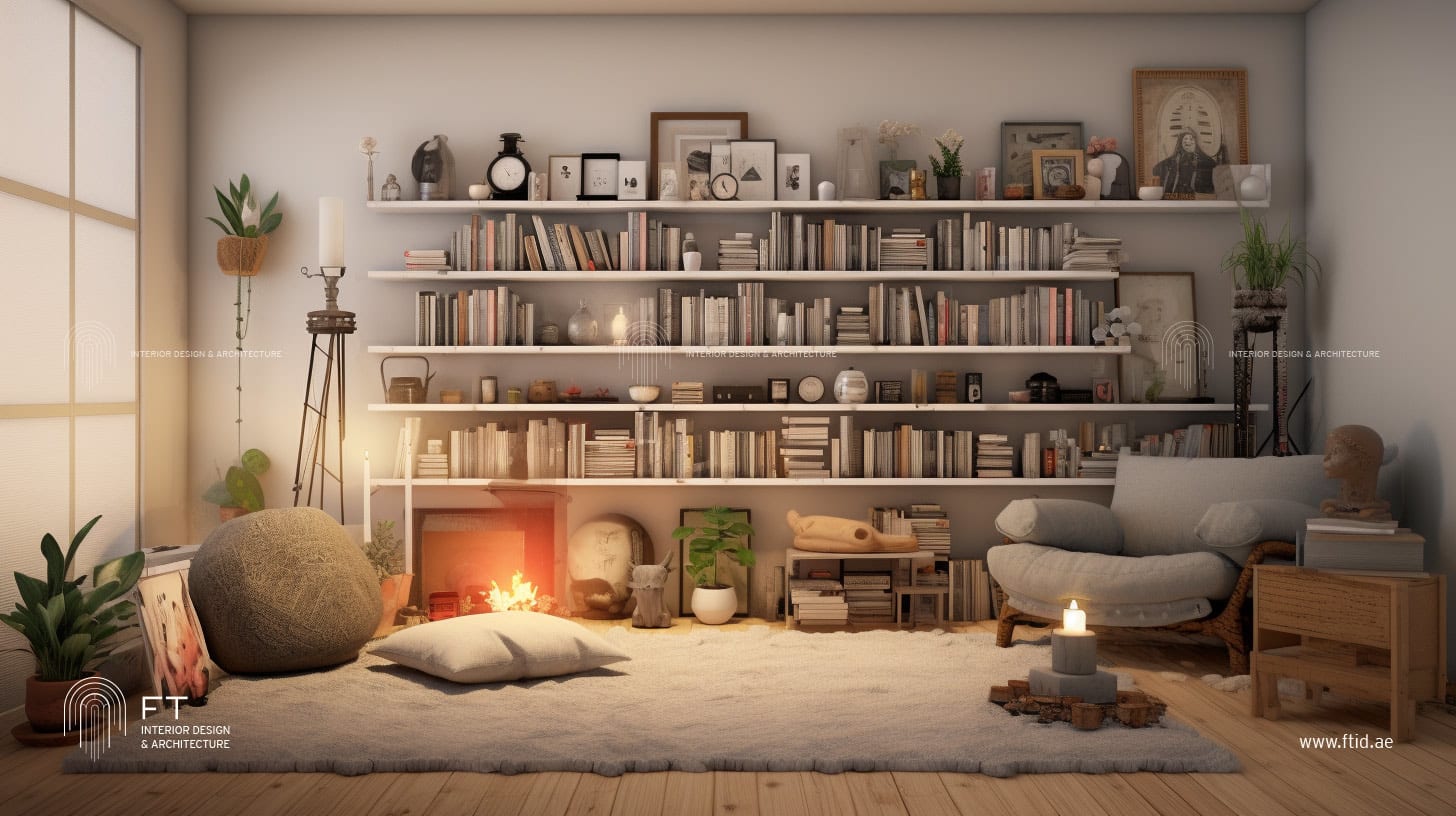
Personal Identity in Residential Interiors
Our homes are more than shelters --- they're autobiographies in 3D. Great design captures the essence of its residents: their passions, stories, routines, and memories.
From the placement of art collected on travels to the choice of materials that recall childhood homes, every detail becomes part of the narrative. Identity-based design invites individuality: a cozy reading nook for a writer, a music wall for a composer, or a meditation space for a wellness enthusiast.
This level of personalization turns interiors into living portraits, emotionally resonant, deeply human, and unlike anything else.
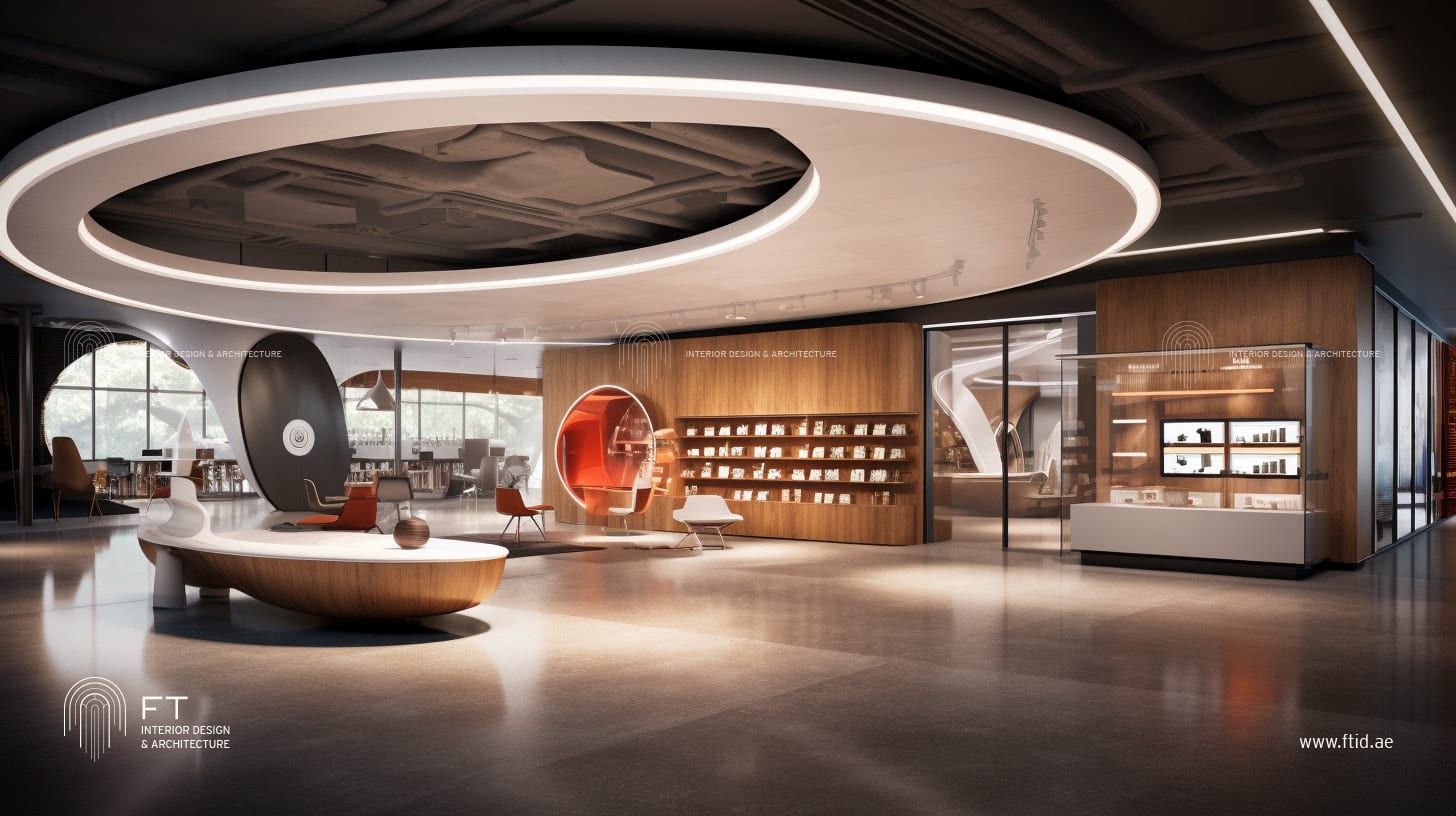
Designing Brand Identity Through Commercial Interiors
For brands, physical space is the ultimate stage for storytelling. A well-designed office, showroom, or retail store can embody everything a brand stands for, before a word is spoken.
At Finger Touch Interior Design, we begin by asking: What does this brand feel like? What are its values, tone, and promise? From there, we translate that DNA into spatial experience, through layout, color theory, materiality, and flow.
Examples:
- A wellness brand might use raw wood, calming lighting, and biophilic elements to evoke healing.
- A luxury fashion boutique might blend velvet, marble, and curved forms to express sophistication.
- A tech startup might lean into modularity, transparency, and neon accents to reflect innovation.
Symbols, Materials & Meaning
Identity-driven design is also about the details, the things that communicate meaning without needing explanation.
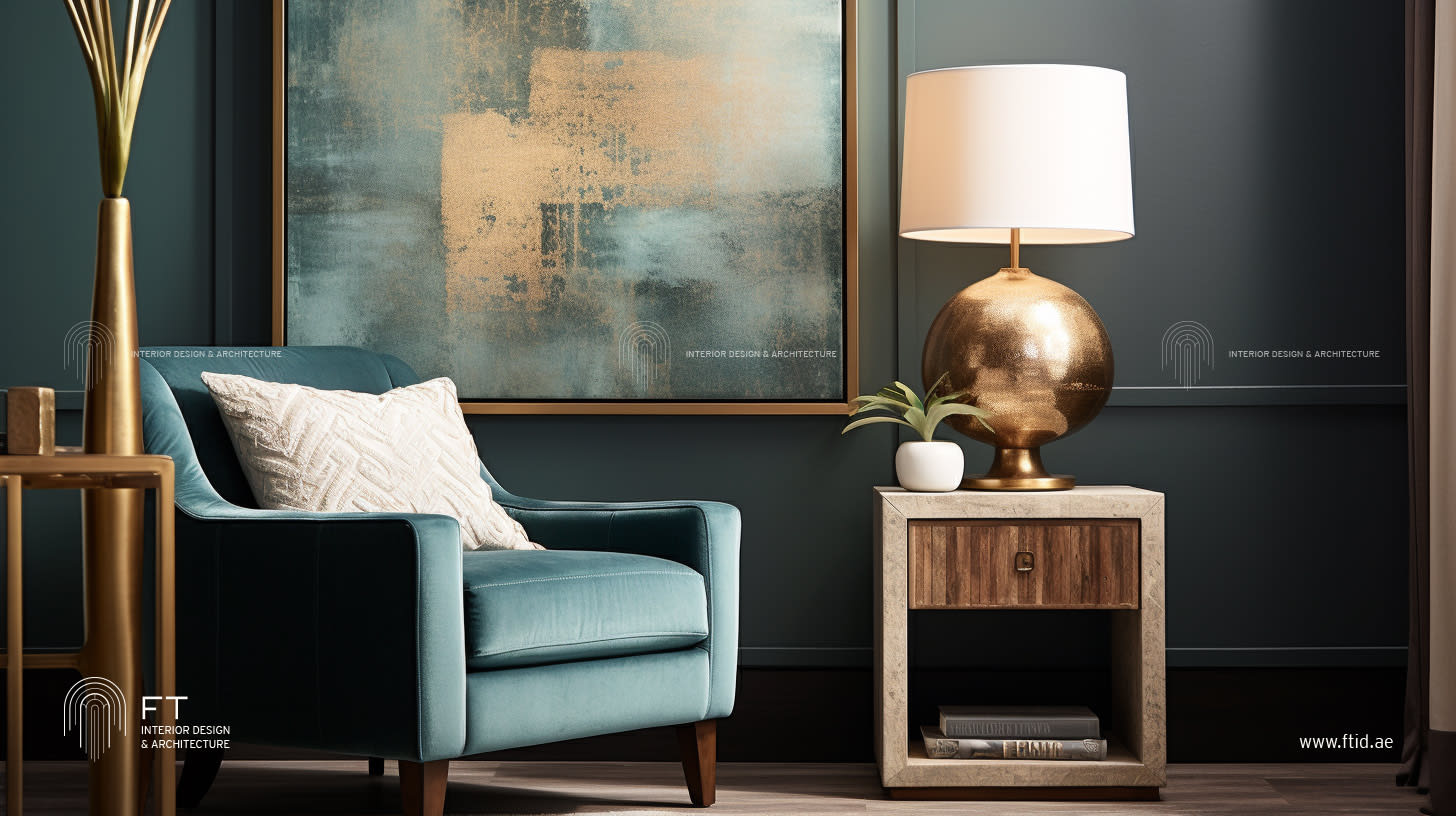
- Color: Earth tones for grounding, gold for prestige, blue for trust, white for clarity
- Material: Reclaimed wood for sustainability, velvet for opulence, brass for tradition
- Pattern: Geometrics for modernism, arabesques for culture, florals for softness
- Art: Selected not for style alone, but for what it expresses, values, memories, or beliefs
This semiotic layer adds emotional depth to interiors, inviting people to feel rather than just observe.
Interior Design as a Tool for Self-Expression
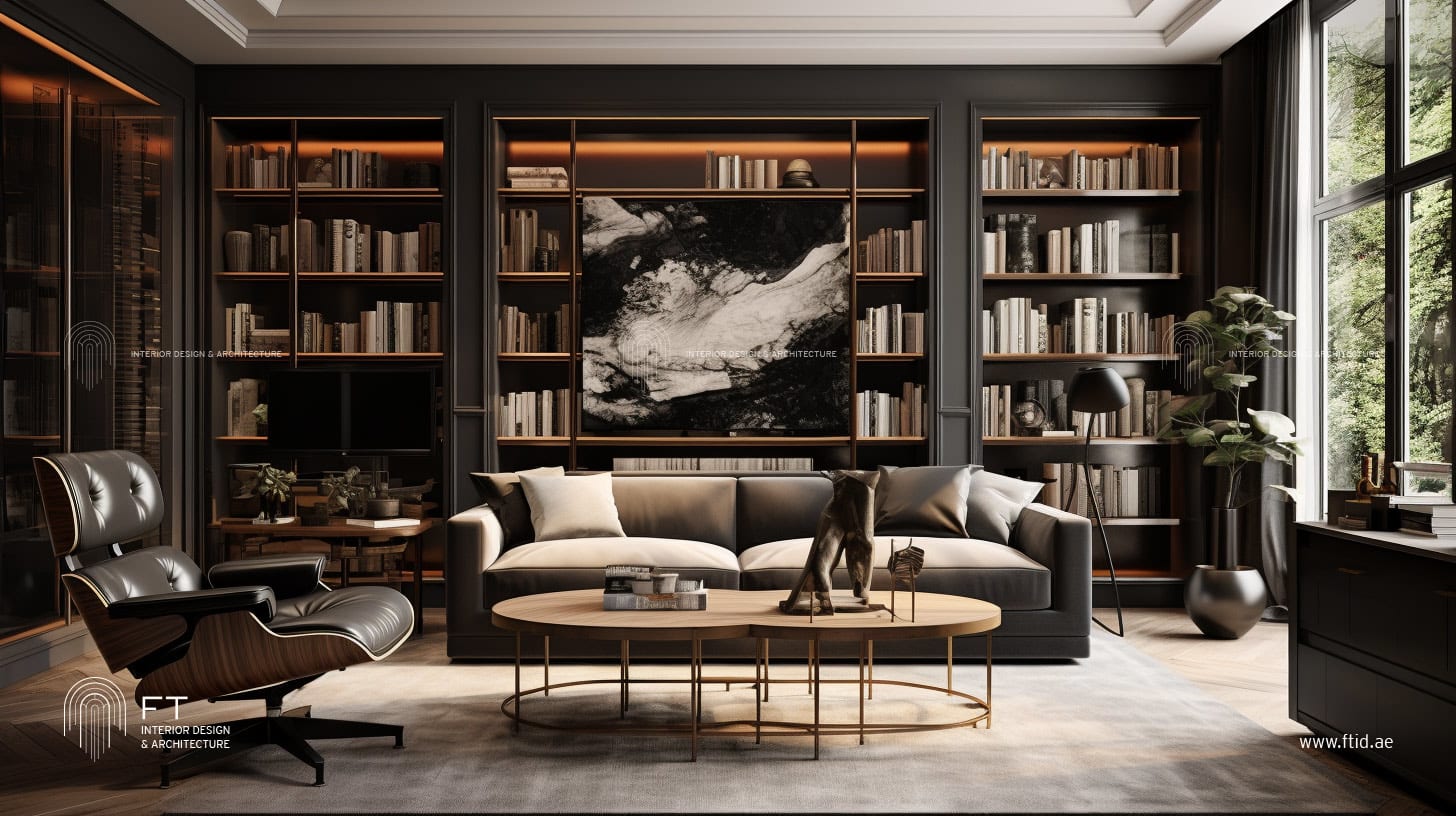
Just as clothing expresses personal style, interiors express personal or corporate essence. And today, clients, from homeowners to CEOs, want spaces that reflect who they are, not just what's trending.
That's why the future of design is deeply collaborative. At Finger Touch Interior Design, we act as translators, helping clients articulate their identity and beliefs through space, texture, light, and story.
We don't just decorate. We design spaces with soul.
Final Thoughts
Interior design is more than aesthetics --- it's anthropology, storytelling, branding, and psychology in one. It's how we externalize the internal --- turning values into visuals, personality into atmosphere, and belief into beauty.
When a space reflects your truth, it doesn't just look good --- it feels right. And that's the true power of designing with identity.